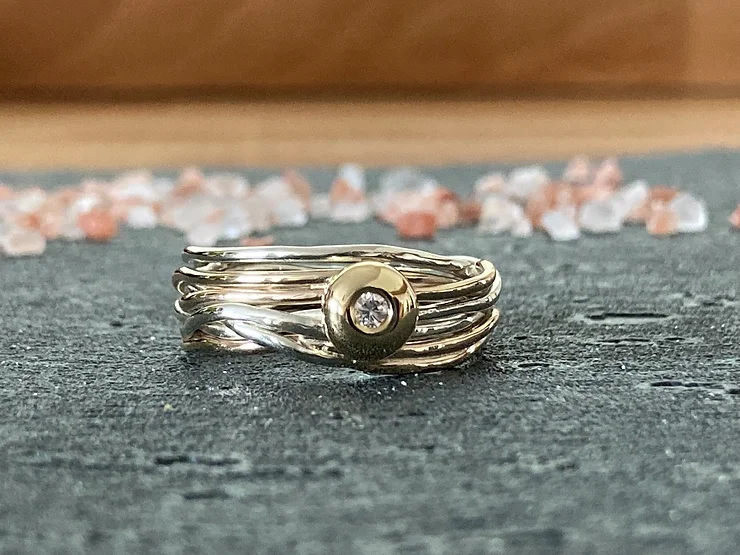
Signet rings have a history that is as rich and fascinating as the intricate designs they often bear. These rings, known for their distinctive engraved or embossed symbols, have served various purposes throughout the centuries—from practical tools to powerful symbols of identity and heritage. In this blog, we’ll explore the storied past of signet rings, their evolution, and how this timeless piece of jewellery remains relevant today, especially within the context of Cornish culture.
Ancient Beginnings: The Origins of the Signet Ring
The signet ring’s history can be traced back to ancient Mesopotamia, where cylindrical seals were used to stamp an individual’s unique mark into clay tablets. Over time, these seals evolved into the more recognizable form of a ring, making it easier for the owner to carry their personal stamp wherever they went.
In ancient Egypt, signet rings were worn by pharaohs and high-ranking officials. The rings featured hieroglyphs that served as signatures, which were pressed into soft clay or wax to secure documents. The Greeks and Romans further refined this tradition, with Roman citizens wearing signet rings to signify their status and authority. For centuries, these rings were not just symbols of power but also practical tools for authenticating documents, as they bore the unique insignia of their owners.

The Medieval Era: Power and Prestige
During the Middle Ages, signet rings became even more closely associated with nobility and power. In Europe, they were often adorned with a family crest or coat of arms, passed down through generations as a sign of lineage and inheritance. Kings, lords, and clergy used their rings to seal official documents, with the wax imprint of the signet ring serving as a mark of authenticity that could not be forged.
In England, signet rings became synonymous with the ruling class. The signet of the sovereign, known as “the Great Seal,” was used to endorse state documents, a practice that continues in various forms to this day. The intricate designs on these rings were a blend of artistry and heraldry, making each piece unique to its owner.
The Cornish Connection: A Local Legacy

Cornwall, with its rich history and deep-rooted traditions, has its own unique relationship with signet rings. The region’s ancient Celtic heritage is reflected in the designs that have been popular here for centuries. Cornish families have often used signet rings to symbolize their heritage, with many designs incorporating traditional Celtic knots, crosses, and other symbols that represent Cornwall’s distinct cultural identity.
Cornwall’s history as a mining hub also plays a role in its connection to signet rings. The region was once famed for its tin and copper mines, which were key sources of metal for many types of jewellery, including signet rings. The metalworking skills passed down through generations of Cornish artisans have contributed to the area’s reputation for fine jewellery making.
In more recent years, signet rings crafted from locally sourced materials, such as Cornish tin or even recycled gold and silver, have become popular. These pieces are not just beautiful—they’re imbued with the spirit of Cornwall, making them deeply personal heirlooms.
A Modern Renaissance: Signet Rings Today
Despite their ancient origins, signet rings have never gone out of style. Today, they continue to be a symbol of identity, heritage, and personal expression. Modern signet rings often blend traditional craftsmanship with contemporary design, appealing to a new generation that values both history and individuality.
In Cornwall, the tradition of passing down signet rings as heirlooms remains strong. However, many people are now choosing to create new traditions by customising rings with modern monograms, meaningful symbols, or personal inscriptions. This fusion of old and new is perfectly encapsulated in some of my latest projects like transforming a son’s 9ct gold christening bracelet into a signet ring for his 21st birthday—a piece that not only honours the past but also creates new memories for the future.
Another touching example is a signet ring crafted as a mother’s enduring gift to her son. Such a piece not only symbolises the deep bond between them but also serves as a constant reminder of her love and support. These rings are more than just jewellery; they are wearable tokens of affection that can be passed down through generations, carrying with them the stories and sentiments of those who first wore them.

For those seeking a truly unique piece, there’s also the option of crafting a signet ring featuring a family crest. This design connects the wearer to their ancestral heritage, making it a powerful symbol of lineage and identity. The creation of such a ring involves careful craftsmanship to ensure the crest is intricately detailed, preserving the family’s legacy in a tangible form.
Beyond the traditional and symbolic designs, there’s a growing trend towards modern, bespoke signet rings tailored for comfort and style. For instance, I’m currently creating a narrower, textured silver signet ring, designed to fit a finger that is shorter from palm to knuckle, which showcases the adaptability of this ancient form of jewellery to modern needs. These custom pieces are truly unique, reflecting both the wearer’s personal style and personality.
The Enduring Legacy of Signet Rings
Signet rings are more than just pieces of jewellery—they are storytellers, carrying with them the history of families, regions, and cultures. From their ancient origins to their modern interpretations, these rings continue to hold significant meaning and sentimental value. In Cornwall, this tradition is alive and well, with signet rings serving as cherished symbols of both personal and cultural identity.
Whether you’re wanting a new ring from a cherished keepsake, an enduring gift from a mother to her son or a bespoke piece featuring a family crest, the signet ring remains a timeless treasure. It connects us to the past while allowing us to express our unique stories and identities, making it a perfect heirloom for future generations.